Nika News
Dying Without a Will in Ontario: What Happens Next
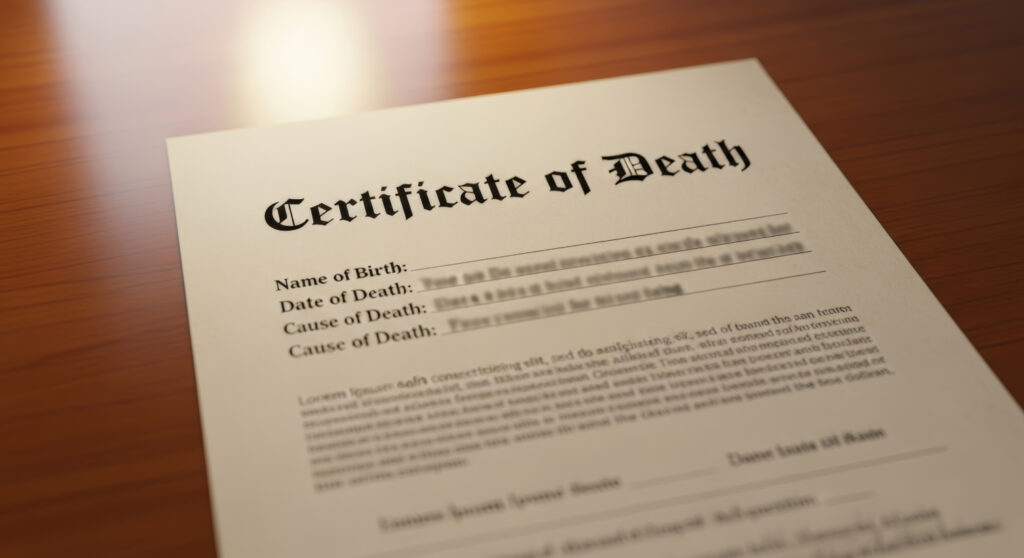
When someone dies without a will in Ontario, the distribution of property that forms part of the estate is governed primarily by the province’s intestacy laws. The result depends on the deceased’s family structure, including whether there is a surviving spouse or children, as well as the nature of the deceased’s assets. A married spouse may be entitled to a preferential share, while children may be entitled to a portion of the remaining estate. A common-law partner does not automatically inherit under Ontario’s intestacy distribution rules, although other legal rights may apply. The person who administers the estate generally must obtain authority through the Ontario Superior Court of Justice. Understanding these rules can help families avoid unexpected outcomes and identify issues that may require legal advice.
How Often Should You Update Your Will? A GTA Guide

A will is not something meant to be written once and forgotten, though it’s treated that way by plenty of people. In many cases, a document drafted a decade ago is, in a way, no longer reflective of a person’s family, assets, or wishes at all. Life changes; marriages happen, children arrive, properties get sold. As it turns out, most estate plans are reviewed only after something has gone wrong, a fact that’s often discovered by families during probate. So the real question isn’t just how often a will should be updated, but what actually triggers the need, bit by bit, over time.
Common Estate Planning Mistakes Families Should Avoid

Estate planning errors are found far more often than families tend to expect, and the consequences are usually felt at the worst possible time. A will left unchanged after a second marriage, a power of attorney signed without proper advice, a beneficiary designation that was never filled in; these are the kinds of oversights that quietly build into serious problems. As it turns out, many of these mistakes aren’t made out of carelessness. The process simply wasn’t explained clearly enough, and that gap tends to cost families more than money, though exactly how much more is something that varies, quite a bit, from one situation to the next.
It’s Make a Will Month!

It’s Make a Will Month! Jack Fallon from NIKA LAW will be giving free presentations to the community about Wills and Power of Attorney documents…
Where should I store my Last Will?

Where should I store my Last Will? By: ADAM DE LUCA A Will is one of the most significant documents you will…
MARRIAGE NO LONGER REVOKES A WILL

MARRIAGE NO LONGER REVOKES A WILL By: Kavina Nagrani, Following the Ontario Government’s passing of Bill 245 in April 2021, the Accelerating…
ARE YOU A FRUSTRATED EXECUTOR? IT’S TIME TO HIRE AN ESTATE LAWYER

ARE YOU A FRUSTRATED EXECUTOR? IT’S TIME TO HIRE AN ESTATE LAWYER By: Kavina Nagrani, JD, TEP Somebody you know has unfortunately…
De-Mystifying Estates Law Terminology—Part I of II

By: Kavina Nagrani, Associate “No, Client A, the government does not receive all of your assets automatically if you die without a…
Do I need a Business Will?

Do I need a Business Will? By Kavina Nagrani, JD, TEP When can a Secondary or dedicated Business Will work to your…
Racist Wills

Racist Wills NIKA LAW Associate Giancarlo Mignardi is featured in The Lawyer’s Daily in this interesting read. We are living in a…